

In 1957, the Soviet Union launched Sputnik and the space race began.

Two superpowers. One goal. Get there first.
But the moment Neil Armstrong stepped onto the moon in 1969, something interesting happened.

The finish line disappeared. The race didn’t end – it just became a different race. Bigger. Less defined. Harder to win.
The headless CMS market followed the same pattern.
For the better part of a decade, vendors raced to build the best API-first, cloud-native, frontend-agnostic content platform.
The prize was enterprise budgets and developer mindshare. The competition was real and the differentiation was meaningful.
Then, quietly, the race ended.
The vendors already know this
Look at what’s happened in the last six months.
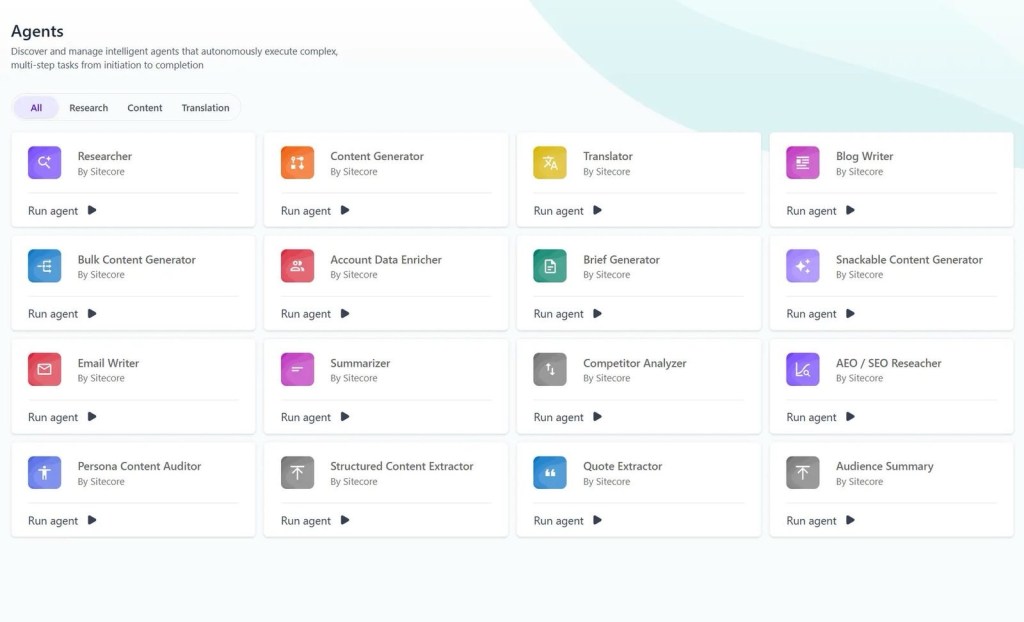
Sitecore retired the XM Cloud brand entirely at Symposium 2025. The platform is now SitecoreAI – rebuilt around a unified intelligence layer. Their own team described the goal as making it “an intelligent operating environment rather than just a headless CMS.”
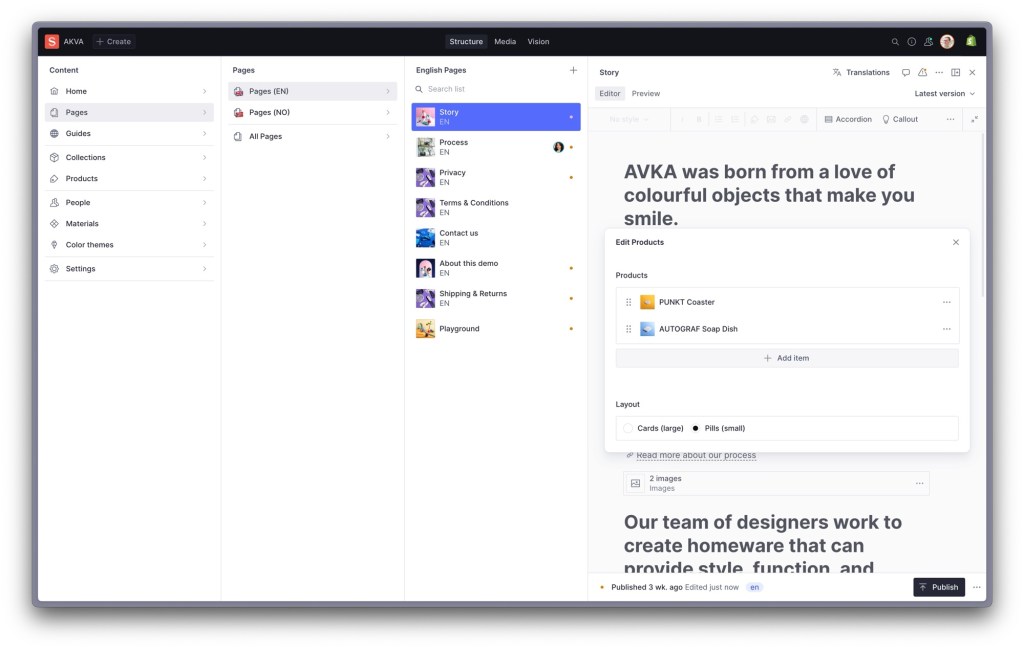
Sanity has been positioning itself as a Content Operating System for a while now. Their argument is that content should be treated as programmable data – structured so that AI agents can act on it, not just editors.
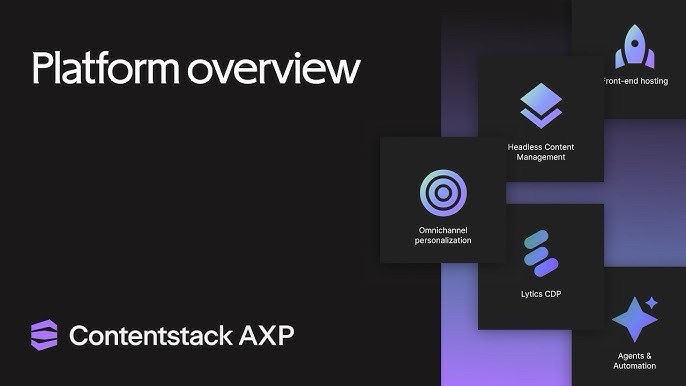
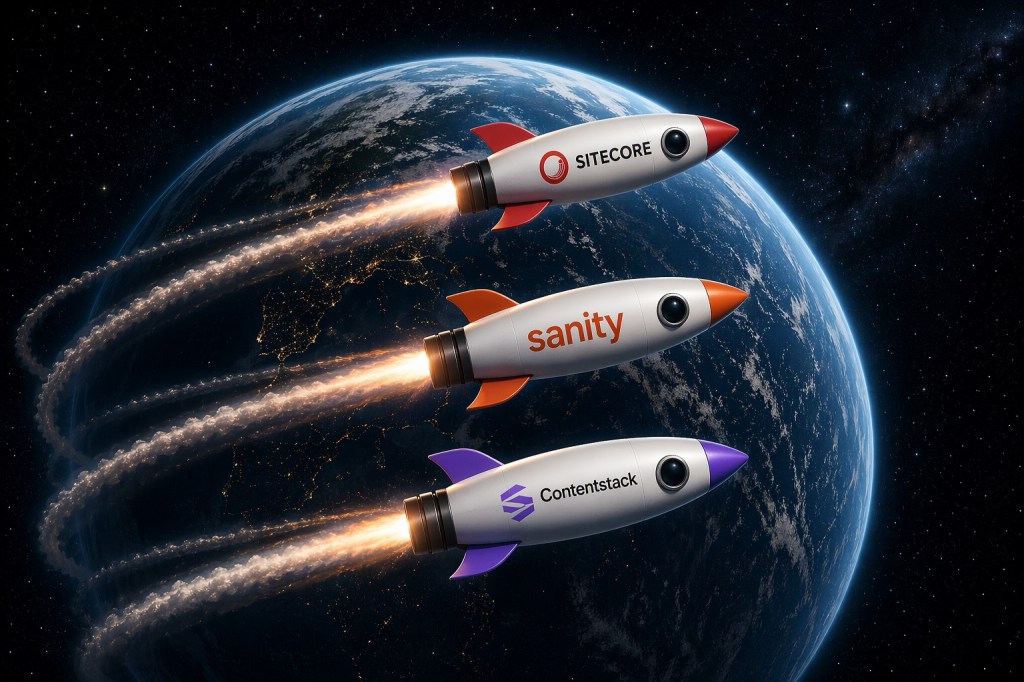
And then there’s the platform rebrand that landed in March. Contentstack one of the most prominent headless-native vendors quietly acknowledged that headless architecture is no longer a differentiator – and launched an entirely new platform category to prove they’d moved beyond it.
Three vendors. Three different starting points. All arriving at the same conclusion.
What this actually means
Every CMS now offers headless delivery.
Cloud-native, API-first, CDN-backed – these are standard.
The feature checklists between platforms have converged.
Price becomes the lever.
When a category becomes a commodity, vendors don’t fight over features anymore. They fight over what the category becomes next.
That’s exactly what’s happening.
What comes after headless

Every vendor is converging on the same idea: content needs to do more than sit in a repository and respond to API calls.
It needs to be connected to data, context, and action – something systems can reason about and act on, not just retrieve and display.
The terminology varies.
Agentic Experience Platform
Intelligent Operating Environment
Content Operating System.
The labels differ but the direction is identical.

In February I wrote about this pattern – a Content Operations System sitting above CMS, DAM and DXP, unifying them rather than replacing them.
At the time it felt like an emerging architectural pattern. Now it’s the product roadmap of every major vendor in the space.

The market has confirmed the direction.
What it hasn’t confirmed is who gets to own it.
What it means for your next platform decision
If you’re mid-migration and your current platform is stable, finish the migration. Pivoting to chase an “agentic” label mid-project adds cost and delay with no guaranteed payoff.
If you’re starting a fresh evaluation, the shortlist looks different than it did in 2023.
The architectural questions – is it cloud-native, does it deliver via API – are still relevant but they’re the floor now, not the ceiling.
The questions that actually matter:
- What does this platform do with data? Not just content – customer data, behavioural signals, real-time context.
- Where does it live and how does it connect to the content layer?
- How does AI fit into the workflow? Not as a drafting assistant. As an operational layer that can act on content autonomously within governed boundaries.
- Is it genuinely unified or just connected? Shared data model and shared context is fundamentally different from platforms stitched together via integration.
The bottom line
The space race produced extraordinary technology. It also produced a generation of engineers who had to completely reinvent their purpose the moment the finish line was crossed.
The headless era is the same. It solved real problems and moved enterprise content delivery forward in ways that still matter.
But the headless race is done.
The platforms that will matter in three years treat content as an operational asset – something to be orchestrated and acted on.
Not just managed and delivered.

 Tim's Blog
Leave a Reply