



Everyone creates documents and they are in so many various forms. It might be a hand-written piece of paper, in a Word document or complex documents treated within a system.
Most users will employ whatever is appropriate for what they do or what they know how to use. But I suppose users could have a better way of building structured documents.
Today this blog is about structured documents.
My definition of a structured document
A structured document is an organization of pre-defined, self-contained blocks of content that are authored in a given format and sequence. Unlike freeform documents, structured documents are reusable, uniform, and sustainable.

There are so many examples including:
- Terms & conditions
- Legal agreements
- Rule-based documents

Rule-based are where elements may be combined, reused, or altered independently without compromising the integrity of the document. This approach enhances efficiency, reduces redundancy, and facilitates management of documents.
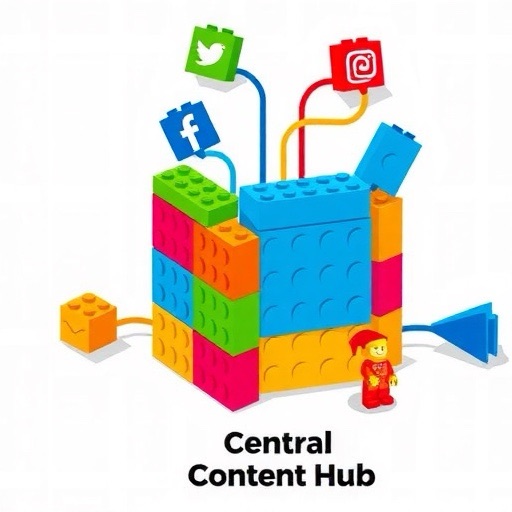
For anyone that works with CMS platforms i feel imagine components or LEGO bricks.
Why streamlining the structured document process is important
- Improved consistency and accuracy
- Easier updates and version control
- Better compliance and governance
- Reduced duplication and manual effort
Real-World Use Cases
Structured documents are critical in industries where they must be precise, be compliant, and where they must follow similar steps to produce. Some of the real-world applications where structured document production would be beneficial are listed below:
Legal and Compliance Teams

Contracts, privacy policies, and terms and conditions often share common clauses. Structured authoring allows legal teams to reuse standard templates and clauses across multiple documents, reducing review cycles and minimising risk. For instance:
- A data privacy clause used across NDAs, DPAs, and service contracts can be updated in one place and reflected everywhere it’s used.
- Version-controlled clause libraries help ensure outdated language or content isn’t used by mistake.
Technical Documentation

Engineering teams, product managers, and technical writers often produce user manuals, integration guides, and support documentation. Using structured blocks (like API call patterns, feature descriptions, code samples), these teams can:
- Maintain consistency across product lines
- Reuse shared instructions across multiple platforms
- Update documentation automatically when a core process changes
Healthcare and Life Sciences
Medical protocols, clinical guidelines, and drug documentation must follow strict regulatory standards. Structured documents:
- Enable modular updates when policies change
- Simplify audits by ensuring documentation adheres to predefined formats
- Help maintain traceability and compliance across jurisdictions
Government and Public Sector
Goverment departments often produce standardised forms, reports, and policy documents. Using structured templates ensures:
- Uniformity across departments and regions
- Efficient updating when legislation or formats change
- Seamless integration with systems like digital services portals
Financial Services
Structured documents like KYC (Know Your Customer) forms, loan agreements, or insurance policies rely on consistent language. Modular components:
- Help ensure compliance with regional regulations
- Simplify onboarding of new products or customers
- Reduce the risk of errors in regulated communications
Marketing and Communications
Brand guidelines, campaign templates, and promotional terms can benefit from structured authoring. Marketing teams can:
- Assemble approved messaging blocks faster
- Ensure consistency across channels and campaigns
- Quickly localise or adapt content without reinventing the wheel
Challenges and Considerations
While the benefits are clear, transitioning to structured document authoring presents several challenges:
Cultural Resistance

Many professionals are used to freeform writing in Word or Google Docs. Shifting to a modular approach may feel restrictive at first. It’s important to emphasise the long-term gains in productivity and quality control.
Tooling and Infrastructure

Managing structured content requires the right platforms – whether it’s a CMS with modular content types, a document assembly system, or a structured authoring tool like DITA-based editors or markdown compilers. Organizations need to evaluate:
- Integration with existing systems
- User-friendliness for non-technical teams
- Support for review, approval, and governance workflows
Balancing Flexibility with Control

Not every document fits into a rigid structure. A hybrid approach may be needed – using structured blocks for common content and allowing freeform sections where needed.
Governance models should allow for exceptions when needed without compromising overall the consistency.
Final Thoughts & Call to Action
Structured documents aren’t just for legal teams or technical writers – they’re a powerful tool for any organisation looking to improve consistency, reduce manual work, and enable scale.
By adopting a component-based approach to document creation, teams can:
- Work faster and smarter
- Respond to changes with agility
- Deliver higher-quality, compliant, and reusable content
Have you worked with structured documents before – intentionally or even without realising it? What tools or processes have you used?
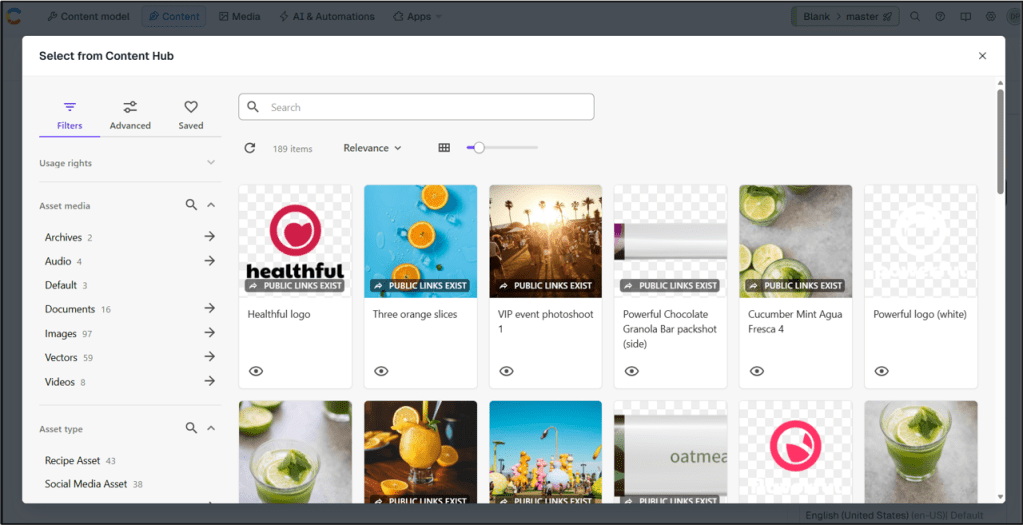
I will be realising a follow up blog on how Sitecore Content Hub is the ultimate solution for document management and control. This will focus in on how Content Hub can be adapted to store content. Then shift into react components I have built to complement to out of the box workflow and versioning capabilities.


 Tim's Blog
Leave a Reply