


In today’s digital landscape, companies are constantly looking for ways to optimize their web presence and enhance customer interactions. One trend that has gained significant traction is the move towards headless CMS solutions.
The promise of a headless CMS is appealing: more flexibility, faster performance, and a modern approach to content delivery. However, for many organizations, this shift doesn’t address the underlying issue – content management itself.
The Content Problem
At the core, many companies face a content problem, struggling with:
- Quality Content Creation: Producing high-quality, engaging content that resonates with their audience.
- Content Reuse: Efficiently reusing content across multiple channels without duplication of effort.
- Workflow Management: Implementing effective content workflows that streamline creation, review, and approval processes.
- Version Control: Managing different versions of content, including language variations and regional adaptations.
- Omnichannel Delivery: Ensuring content is optimized and consistent across various customer touchpoints, from websites to mobile apps to social media.
The Headless CMS Misconception
The push towards headless CMS solutions has often been seen as a solution for content problems.
While headless CMSs offer significant advantages in terms of flexibility and performance, they do not inherently solve the core content management challenges.
In fact, for many organizations, when migrating to a headless CMS are just pushing the problem further down the line rather than resolving it.
The Real Solution: A Comprehensive Content Strategy
Instead of solely focusing on the CMS technology, companies need to reevaluate their content strategy and management practices. The focus should be on building a robust content creation and management process that can seamlessly support omnichannel delivery.
This involves:
- Quality and Reusability: Prioritizing the creation of high-quality content that can be reused across multiple platforms and touchpoints. This reduces redundancy and ensures consistency.
- Efficient Workflows: Implementing streamlined workflows for content creation, review, and approval. This ensures that content is published in a timely manner without compromising on quality.
- Version Control and Localization: Using tools that allow for effective version control and easy management of language variations. This is crucial for companies operating in multiple regions or languages.
- Single Platform Management: Adopting a content management platform that supports both headless and traditional CMS architectures. This provides flexibility in how content is delivered while maintaining a centralized management system.
Sitecore Content Hub: The Ideal Solution
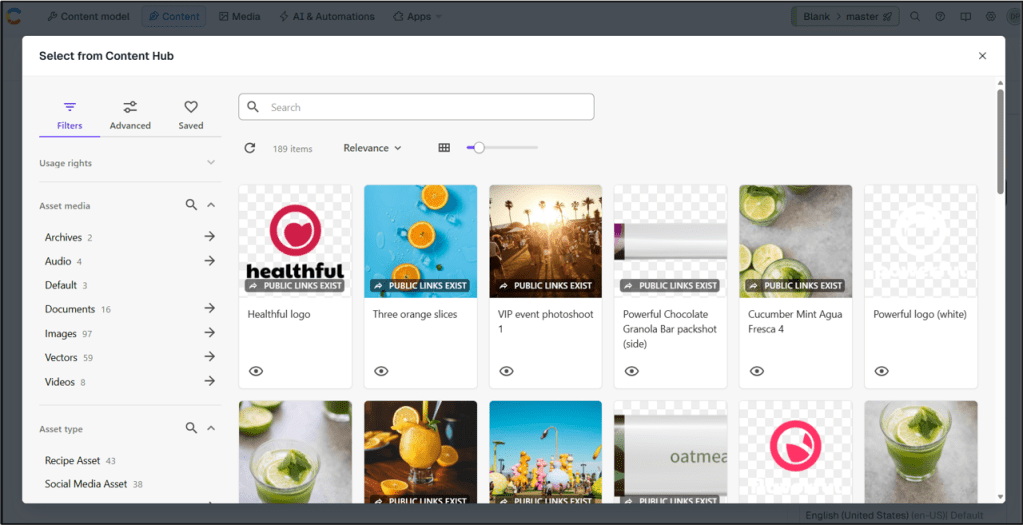
Sitecore Content Hub stands out as a comprehensive solution that addresses the challenges. It combines asset (DAM) and content management with a Content Marketing Platform (CMP), making it an ideal choice for companies looking to enhance their content strategy.
Key Features of Sitecore Content Hub
- Centralized Management: Manage all content and digital assets in a single platform, ensuring consistency and control.
- Content Reusability: Efficiently reuse content across different channels and platforms, reducing duplication and effort.
- Advanced Workflows: Implement sophisticated workflows for content creation, approval, and publishing.
- Version Control: Easily manage different versions of content, including language variations and regional adaptations.
- Omnichannel Delivery: Seamlessly deliver content to any channel, whether through a headless approach or traditional CMS integrations.
By leveraging Sitecore Content Hub, companies can build a robust content strategy that goes beyond the limitations of a headless CMS. This approach ensures that content is not only high-quality and reusable but also effectively managed and optimized for omnichannel delivery.
Conclusion
The move towards headless CMS solutions is not a one-size-fits-all answer to content management problems.
While it offers certain advantages, the real solution lies in reevaluating and enhancing content strategies. By focusing on quality, reusability, workflow efficiency, and version control, companies can address the core issues of content management.
Sitecore Content Hub provides a comprehensive platform that supports these goals, offering a powerful combination of asset and content management with a CMP. This makes it the perfect choice for organizations looking to optimize their content strategy and enhance their digital presence.
In conclusion, it is crucial for companies to understand that solving content problems requires more than just adopting new technology. It demands a strategic approach to content creation and management that aligns with the needs of modern omnichannel delivery. With the right tools and strategies in place, companies can achieve their digital transformation goals and deliver exceptional experiences to their customers.


 Tim's Blog
Leave a Reply